
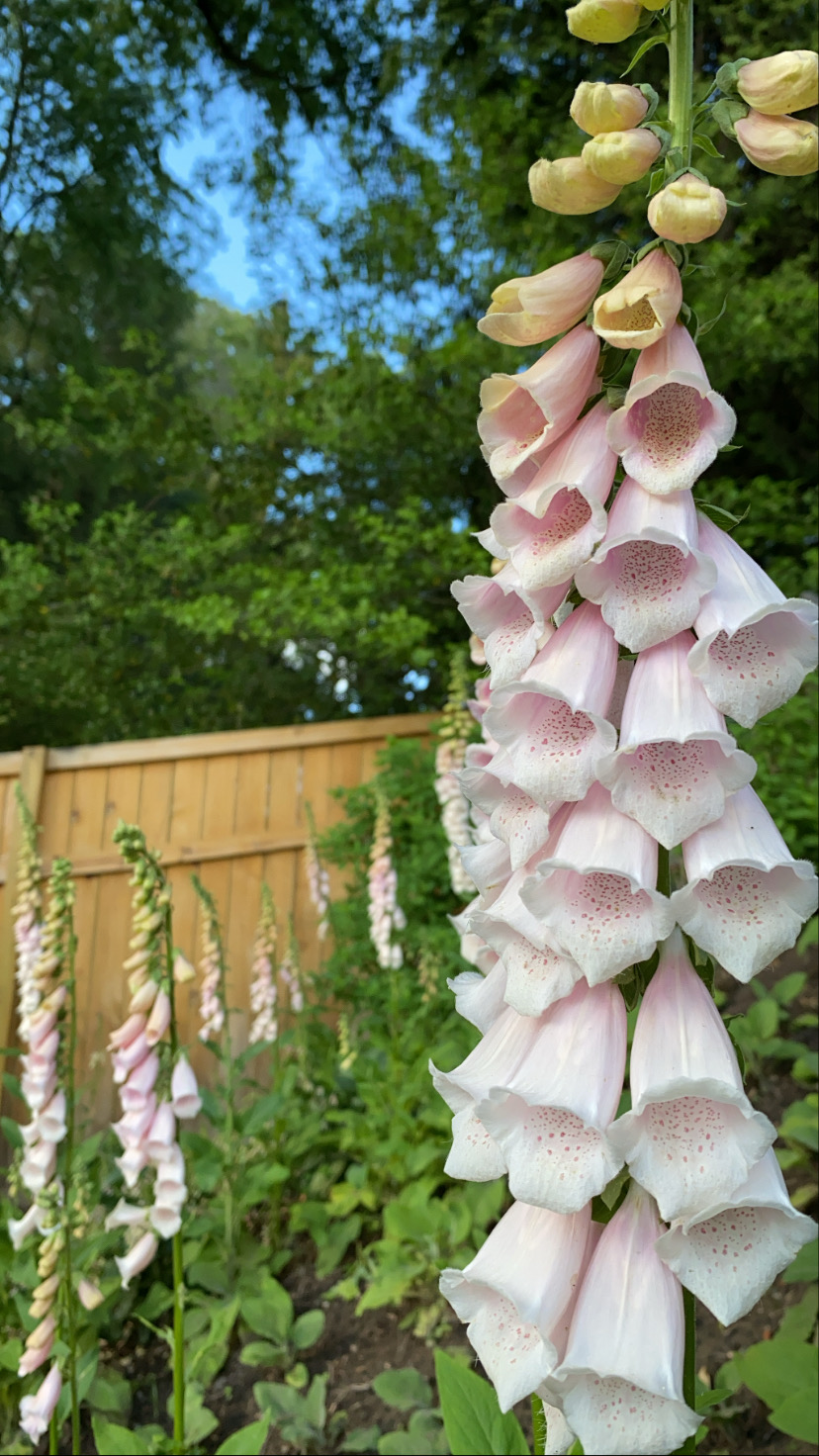
There is a long tradition in gardening of cultivating beauty alongside danger.
Historically, poison gardens were collections of plants known for their medicinal, toxic, hallucinogenic, or deadly properties. Some were rooted in apothecary traditions and early medicine, where the distinction between healing and poisoning often depended entirely on dosage. Others reflected botanical curiosity, gothic aesthetics, or the simple human fascination with plants capable of altering the body so dramatically.
Many of the flowers now considered quintessentially romantic garden plants have toxic qualities that are largely forgotten in modern life.
Foxgloves, for example, contain compounds that directly affect the human heart. Lily of the valley — delicate, fragrant, and associated almost absurdly with innocence — is highly poisonous if ingested. Monkshood was historically connected to both hunting poisons and folklore. Even hellebores, among the first flowers to emerge in late winter, carry a long history tied to medicine, madness, and myth.
I have become increasingly drawn to these plants in my own garden.
Not because of their toxicity exactly, but because they possess a certain emotional complexity that many modern hybridized flowers seem to have lost. Poison garden plants often carry tension within them. They are beautiful, but not entirely sweet. Elegant, but slightly unsettling. They belong naturally to shadow, old stories, monastery gardens, stormy weather, overgrown paths.
And visually, they are extraordinary.
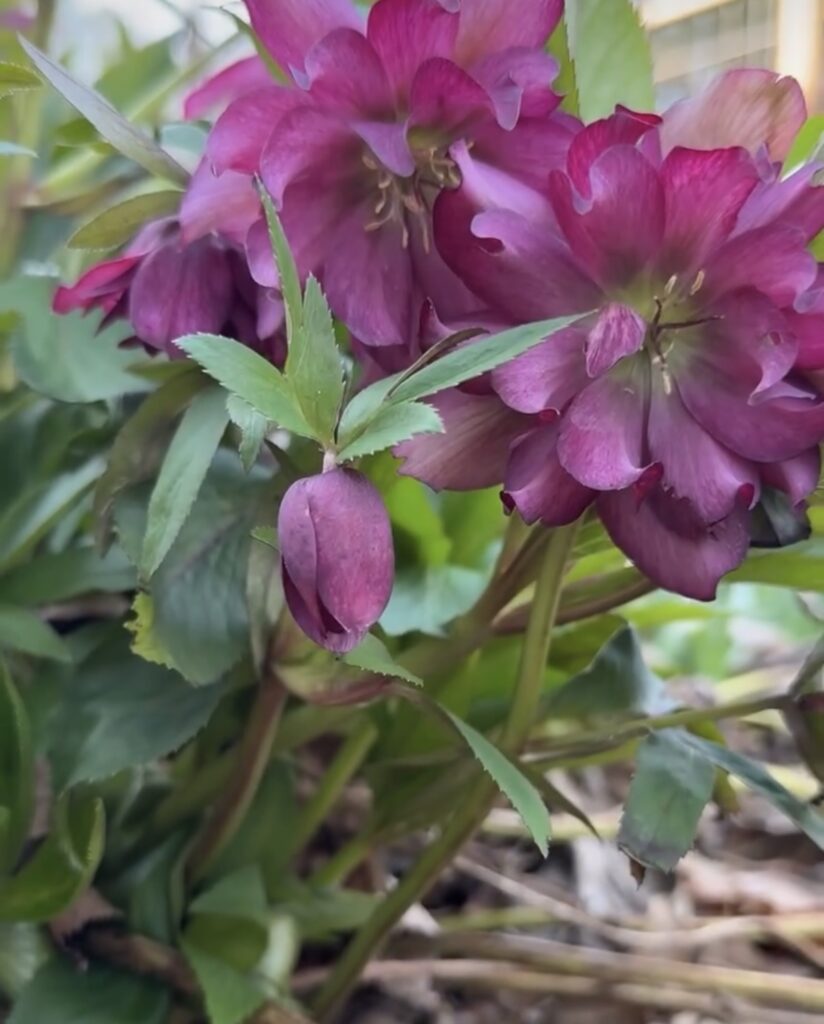
Hellebores
Hellebores may be my favorite flowers in the garden precisely because they refuse obviousness.
They bloom when almost nothing else does, emerging in late winter and early spring while the landscape still appears dormant. Their colors are muted and difficult to name accurately: smoke, plum, green-black, parchment, bruised mauve, dusty cream. Even their posture feels introspective, with downward-facing blooms that reward close attention rather than demanding it.
In arrangements, hellebores create emotional depth almost immediately. I often use them in transitional spring palettes where brighter flowers would feel too loud or premature. They pair beautifully with lilac foliage, fritillaria, early narcissus, and flowering branches.
They are also notoriously temperamental as cut flowers, which perhaps makes me love them more.
Foxglove
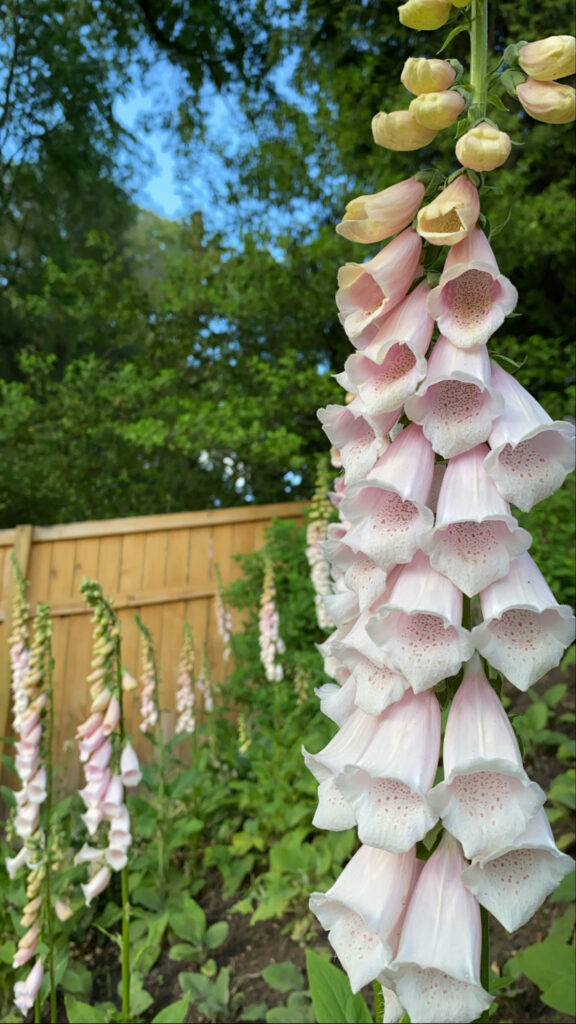
Foxglove introduces verticality and drama unlike almost any other spring flower.
The spires feel architectural, almost ecclesiastical, especially in softer cream, blush, and lavender tones. Historically associated with both healing and poison, foxglove contains digitalis compounds still used in cardiac medicine today.
In floral design, foxglove creates movement upward through an arrangement naturally. It draws the eye vertically and softens large-scale work beautifully. I especially love it in garden-style compositions where the goal is controlled wildness rather than tight symmetry.
There is something distinctly old-world about foxglove. It never feels modern in the sterile sense. It carries folklore with it.
Monkshood
Monkshood may be the most overtly gothic plant in the garden.
Its deep blue-purple flowers rise in hooded forms that give the plant its name, and historically it was considered one of the most dangerous plants in European gardens. The toxicity is significant enough that gardeners still handle it carefully.
And yet the color is almost impossible to resist.
True cool blue remains relatively rare in flowers, particularly in late summer and autumn gardens. Monkshood introduces depth and shadow into palettes that might otherwise feel too soft or decorative. I use it sparingly, usually when I want a composition to feel moodier, stranger, more atmospheric.
It is not a flower interested in being cheerful.
Lily of the Valley
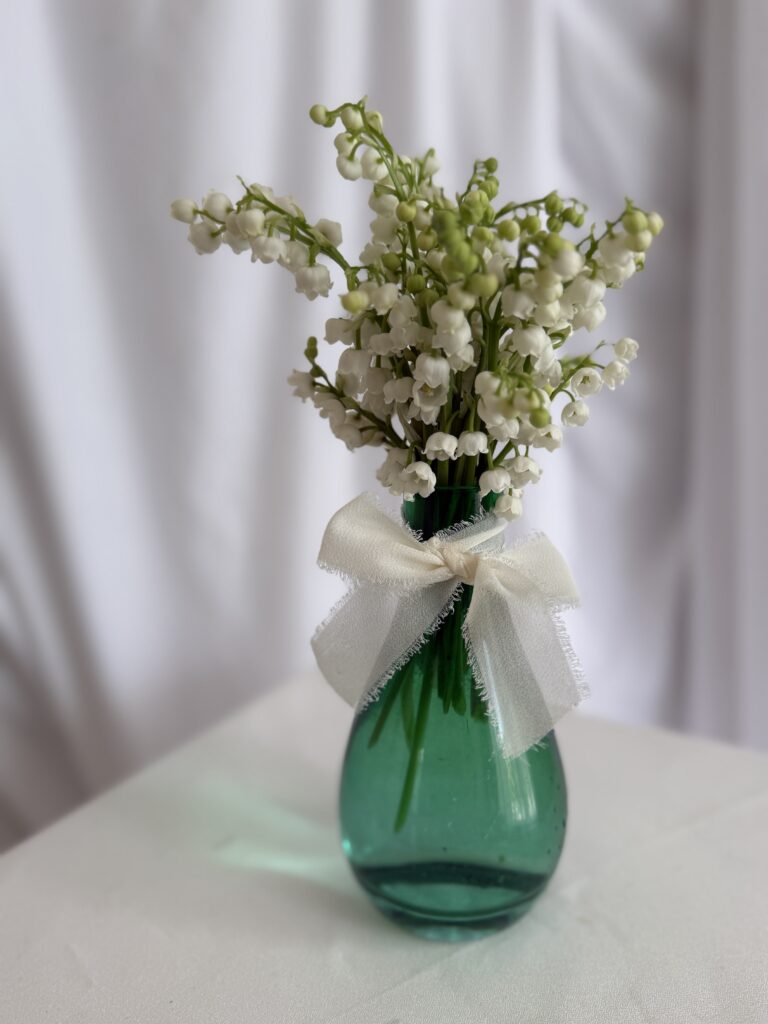
No flower better demonstrates the contradiction at the center of poison gardens than lily of the valley.
It is among the sweetest-smelling flowers in spring — tiny white bells carrying a fragrance so delicate and nostalgic it borders on heartbreaking. It appears constantly in wedding imagery, royal bouquets, perfume history.
And it is highly toxic.
I love using lily of the valley sparingly in personal arrangements because its power lies partly in discovery. Guests lean closer to identify the fragrance. The stems disappear almost invisibly among larger materials. It rewards attention quietly.
There is a reason it has endured culturally for centuries despite its fragility and difficulty as a cut flower.
Larkspur
Larkspur brings looseness and movement into the poison garden.
Its airy spires move beautifully in wind and arrangements alike, and unlike some more heavily hybridized delphiniums, larkspur retains a wildness I deeply prefer. The colors range from pale smoky lavender to deeper indigo blues and soft whites.
Toxicity aside, what makes larkspur so valuable in floral design is rhythm. It prevents arrangements from becoming visually static. The stems bend, drift, and interrupt more structured forms naturally.
I often think of it as a flower that teaches restraint. Too much becomes messy. Just enough creates poetry.
Beauty with Edges
What fascinates me most about poison gardens is not morbidity exactly, but contradiction.
So many of these plants blur categories we prefer to keep separate: healing and harm, beauty and danger, delicacy and toxicity. They remind us that gardens were once places of medicine, folklore, superstition, experimentation, and survival — not merely decoration.
And perhaps that complexity is part of why these flowers still feel emotionally resonant now.
They are not simplistic flowers.
They carry shadow with them. History. Risk. Mystery.
And in arrangements, they bring some of that complexity indoors as well.


